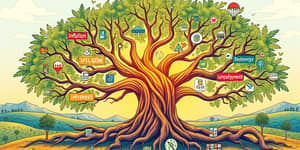
In a world where uncertainty reigns supreme, disruptions no longer signal defeat—they herald opportunity. This article explores how businesses can transform challenges into stepping stones for growth.
Business interruptions and market upheavals rank among the top global risks for 2025. From supply chain failures to cyber incidents and natural catastrophes, organizations face a complex web of threats. Yet, within this turmoil lies potential for innovation and resilience.
Key statistics paint a vivid picture: 31% of global risk professionals name business interruption as a prime concern, while 73% of companies stand exposed to significant cyberattacks. Natural catastrophes now claim the #3 spot globally, and supply chain disruptions affect up to 93% of industries at some level. These figures underscore the imperative for strategies that convert adversity into advantage.
Historical case studies reveal both cautionary tales and triumphs. Companies that failed to adapt—like Borders, Blockbuster, and Yellow Pages—ignored digital transformation, resulting in obsolescence. These stories highlight the perils of inaction and illustrate why swiftly pivot their business models can mean the difference between survival and extinction.
By contrast, industry giants such as Netflix and Adobe demonstrate the power of proactive change. Netflix disrupted the rental market by launching a streaming service, while Adobe transitioned to a subscription-based Creative Cloud model. Their journeys exemplify how embracing early digital investment unlocks new revenue streams and fosters long-term loyalty.
The disruptive landscape of 2025 will be defined by interconnectivity, geopolitical tensions, and climate pressures. Automation and AI are accelerating operations, but also magnifying risks. A single software failure can ripple through global supply chains, costing billions.
Meanwhile, geopolitical strains—from trade tariffs to regional conflicts—force executives to navigate shifting alliances and policy uncertainties. Climate change compounds these challenges, as extreme weather events become more frequent and severe. Organizations must cultivate diverse contingency plans and backups to mitigate unforeseen shocks.
Human factors remain critical: 60% of cyber breaches stem from human error or social engineering. Cultivating a security-aware workforce and leveraging AI-driven monitoring tools can dramatically reduce this vulnerability.
To thrive amid chaos, businesses must adopt a three-pronged approach: resilience building, strategic pivots, and proactive foresight. Each element bolsters the capacity to absorb shocks and seize emerging opportunities.
Case in point: A global manufacturer, facing raw material shortages due to geopolitical tensions, invested early in localized micro-factories powered by renewable energy. This move not only safeguarded production but also opened new markets seeking sustainable solutions.
While the top concerns—business interruption, cyber incidents, and supply chain failures—are universal, their intensity varies by region and sector. In Asia-Pacific, business interruption ranks #1, driven by rapid industrial growth and complex logistics networks. In Europe, nearly 76% of shipping firms report significant disruptions, influenced by regulatory changes and political unrest.
Industry-specific dynamics also matter. Food and consumer goods companies face perishable inventory risks, while energy and manufacturing firms grapple with high capital expenditures and downtime costs. Understanding these nuances enables tailored resilience strategies that align with each organization’s risk profile.
Disruption may feel like a threat, but it can also be the catalyst for transformative progress. By learning from past missteps, harnessing emerging technologies, and embedding resilience into their cultures, businesses can turn every setback into a stepping stone for growth.
As Michael Bruch of Allianz reminds us, automation can overwhelm without diverse solutions. Likewise, Rishi Baviskar warns that AI dependency intensifies global IT vulnerabilities. These insights compel us to act decisively: invest in agility, foster innovation, and view disruption not as an obstacle, but as a gateway to enduring success.
What if the greatest opportunity in 2025 isn’t avoiding disruptions, but capitalizing on them? The choice is ours to make.
References