As global prices continue their unpredictable climb in late 2025, households and investors face an urgent question: how do we preserve the value of our hard-earned money? This deep dive equips you with proactive financial planning measures and actionable insights to safeguard your purchasing power.
Inflation represents the general rise in consumer prices over time, which steadily erodes the amount of goods and services a dollar can buy. Put simply, each paycheck, bank balance, or investment return must work harder to maintain the same lifestyle.
When inflation outpaces returns on savings or investments, individuals experience a significant erosion of real returns. Recognizing this challenge is the first step toward building a resilient financial strategy.
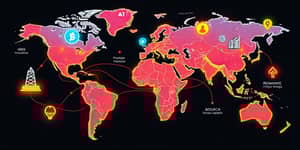
Following a pandemic-driven peak of nearly 9% global inflation in late 2022, rates fell to below 5% by the end of 2024. Most forecasts for 2025 hover just under 4%, signaling relief for consumers but still above pre-pandemic norms.
Regional dynamics vary widely:
Key specifics for the United States include a projected core PCE inflation of 2.4% by year-end and CPI-U rises of 0.3% in September 2025. Emerging markets outside China may moderate to about 5.3% in H2, down from 5.8% in early 2025.
For consumers, rising prices mean everyday necessities—groceries, utilities, transportation—become increasingly expensive. A fixed budget can quickly feel stretched, prompting difficult choices between needs and wants.
Investors find that traditional bonds and cash holdings can underperform when inflation spikes. Real assets like property or infrastructure, historically, have outpaced price gains. Without strategic allocation, retirement portfolios risk falling short of future expenses.
Combining diversified investments with disciplined personal finance habits can help you weather inflationary periods.
Beyond 2025, several risks could keep inflation above the averages of the 2010s. New or expanded tariffs may raise U.S. price levels by 0.5–1.0 percentage points, while further supply chain disruptions from climate or geopolitical events could trigger fresh cost pressures.
Economists anticipate more frequent stop-and-go inflation cycles, requiring central banks to maintain tighter stances longer. According to the EIU, developed market inflation may average 2.1% over the next five years—up from 1.5% in the previous decade. Institutional consensus underscores that broad diversification and real assets remain the cornerstone of long-term defense.
By understanding these trends and implementing a mix of strategic investments and prudent financial habits, you can turn a challenging inflationary environment into an opportunity to reinforce your financial foundation.
References