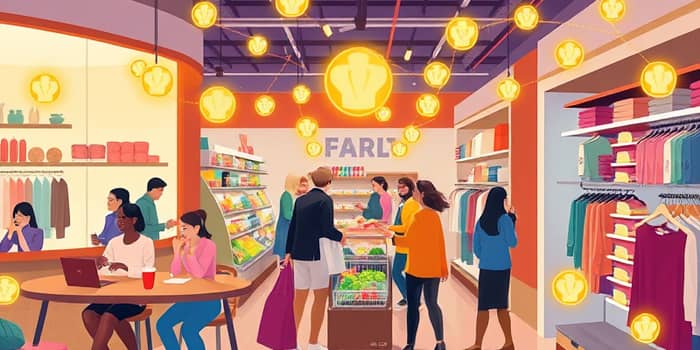
In an era where every purchase can unlock new possibilities, loyalty programs stand as powerful tools for both consumers and brands. By understanding the mechanisms behind these reward systems, shoppers can maximize your everyday purchases and unlock greater value from routine spending. This article explores how loyalty programs drive engagement, boost consumer benefits, and deliver impressive ROI, while offering actionable tips to make the most of your membership.
Loyalty programs encompass a variety of reward systems—points, tiers, subscriptions—that encourage repeat purchases and deepen customer relationships. From grocery stores to coffee chains, brands deploy these programs to cultivate long-term loyalty and gather valuable consumer data. According to 2025 insights, a remarkable 92% of consumers are enrolled in at least one loyalty program, and half participate in five or more. These figures illustrate the ubiquity and perceived value of reward initiatives.
At their core, loyalty programs aim to foster a sense of belonging and incentivize consistent spending. By offering tangible rewards—cashback, free items, exclusive access—brands can drive incremental revenue growth while consumers enjoy immediate benefits from everyday transactions.
Statistics reveal that loyalty members aren’t just signing up—they’re spending more. Over 57% of consumers report increased spending with favored brands, and 73% adjust their purchasing behavior to maximize reward accrual. Members who regularly redeem rewards spend 3.1 times more annually compared to non-redeemers, translating to 12–18% incremental revenue growth for businesses each year.
Paid loyalty models amplify this effect: 64% of participants spend more specifically to unlock premium tiers, showcasing the psychological pull of exclusive benefits. Retail subscription members spend 37% more, while standard loyalty members contribute a 27% uplift, underscoring how different structures can cater to varied consumer preferences.
High engagement rates underscore the stickiness of well-designed programs. On average, 59% of members engage with their loyalty account at least once a year, while 52% log in weekly and 59% interact between one to three times each week. This consistent activity not only fuels repeat purchases but also generates rich behavioral data for personalized marketing.
These engagement patterns demonstrate that consumers appreciate convenience and tangible perks, making regular interaction with loyalty platforms a natural part of their shopping routines.
To fully leverage loyalty benefits, consumers can adopt key strategies that align with brand offerings and personal preferences. Brands that deliver tailored rewards and personalized offers see members spend 4.5 times more than average participants. Gamification elements—points challenges, milestone badges—drive adoption in 43% of programs, making the experience more fun and goal-oriented.
By combining personalization with game-like dynamics, shoppers can unlock higher-value rewards and deepen their relationship with favorite brands.
Leading brands showcase the transformative power of loyalty programs in everyday spending categories. Below is a snapshot of major players and their program outcomes:
These examples highlight how everyday purchase categories—from coffee and apparel to beauty and outdoor gear—thrive under thoughtfully designed loyalty ecosystems.
During economic downturns, loyalty programs become even more valuable. Approximately 81% of consumers say reward systems help them navigate tight budgets, and one in three increase program engagement when times are tough. Trust plays a pivotal role: 95% of shoppers indicate that trust in a brand reinforces loyalty, and 56% continue spending more despite cheaper alternatives, driven by confidence in the brand’s value proposition.
These dynamics reinforce the dual benefits of loyalty programs: consumers gain stability and reassurance, while brands secure a steadfast customer base even amid market volatility.
Loyalty isn’t guaranteed. Forty-one percent of members switched brands in the past year, and 77% retract loyalty faster than before if expectations aren’t met. To stay competitive, 80–90% of program owners plan to revamp or invest in enhancements over the next three years. Recent overhauls yield higher satisfaction rates—64% for updated programs versus 43% for static ones.
Key areas of investment include advanced analytics for personalization (58% of brands), automated communications (31%), and non-transactional engagement strategies such as community events and social recognition (87.5%).
Consumers can adopt practical approaches to extract the highest value from loyalty programs:
By proactively managing memberships and staying informed about program updates, shoppers can ensure they never miss an opportunity to save or earn bonus rewards.
Looking ahead, brands will prioritize customer lifetime value (60%) and deepen personalization through AI-driven insights (58%). Gamification will expand, engaging 43% of new initiatives, while non-transactional experiences—such as social communities and educational content—will drive deeper emotional connections. As loyalty programs evolve from points-based models to holistic engagement platforms, consumers stand to gain richer rewards and more meaningful brand interactions.
Ultimately, loyalty programs represent a symbiotic relationship: consumers receive ongoing value from routine purchases, and brands secure sustained growth through repeat purchases and deeper engagement. By understanding the data, adopting strategic habits, and embracing innovation, shoppers can transform everyday spending into a rewarding journey of benefits and experiences.
References