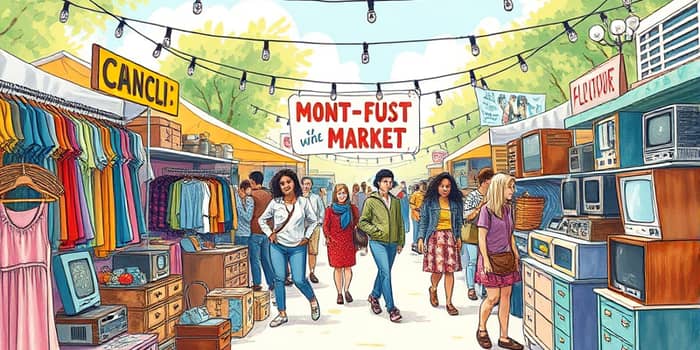
Second-hand shopping has evolved from a niche pastime into a global phenomenon, reshaping how millions of consumers approach wardrobes, homes, and lifestyles. What was once stigmatized is now celebrated as budget-friendly alternative without compromise. In 2024, the global second-hand product market soared past $424.1 billion and is projected to reach $475.19 billion in 2025, with some estimates forecasting an astonishing $1.45 trillion by 2032. This surge illustrates how preloved goods are no longer merely leftovers but coveted treasures for cost-conscious, eco-minded, and style-seeking shoppers worldwide.
Over the past decade, second-hand retail—encompassing clothing, furniture, electronics, and more—has experienced rapid growth in recent years. The global second-hand apparel segment alone was valued at $43.49 billion in 2024 and is expected to surpass $48.32 billion by 2025, with an 11.1 percent compound annual growth rate through 2035. Luxury resale channels contribute significantly, with platforms like The RealReal generating nearly $600 million in revenue in 2024.
In the United States, total second-hand spending reached approximately $53 billion in 2023 and is on track for $56 billion in 2025—up 14.3 percent year over year. Since 2018, U.S. resale channels have grown by over 143 percent, with online recommerce expanding 650 percent in the same period. Today, second-hand accounts for more than nine percent of the U.S. apparel market and continues to outpace traditional retail growth by a wide margin.
Consumers flock to second-hand markets for the undeniable savings. In the U.S., thrift shoppers save an average of $2,071 each year compared to buying new. Online second-hand apparel buyers currently spend about $655 annually and are projected to increase that to $788 by 2025, signaling a major shift in wardrobe budgets. For many, access to designer handbags, high-end electronics, and quality home décor at a fraction of retail cost turns the hunt into a rewarding pastime.
Moreover, platforms dedicated to luxury consignment enable shoppers to enjoy premium brands without premium prices. This underrated gems and high-end finds approach keeps budgets intact while granting access to labels typically out of reach. Around 37 percent of consumers report allocating more of their clothing budgets to resale every year, and new thrift shoppers account for 60 percent of projected market growth through 2029.
The environmental benefits of extending the lifecycle of products cannot be overstated. By choosing used goods, shoppers contribute to circular economy principles and resale, reducing reliance on virgin materials and cutting greenhouse gas emissions tied to manufacturing. Experts estimate that extending garment life by nine months can lower its carbon footprint by up to 20 percent, while purchasing second-hand furniture helps keep large items out of crowded landfills.
Second-hand commerce also fosters community connections and philanthropy. Traditional thrift stores often support charities and local programs, while online resale marketplaces unite buyers and sellers globally. This blend of commerce and camaraderie underscores how preloved shopping is as much about people as it is about products.
Not all items are equally suited for the second-hand market. Certain categories shine when purchased pre-loved, whereas others—due to hygiene, safety, or performance concerns—are best bought new. Below is a quick guide to help you navigate your smart-shopping choices.
Thrifting is more than a chore—it’s treasure hunt and creative expression. Tackling both brick-and-mortar and digital platforms requires strategy, patience, and a keen eye. Whether you’re hunting for vintage denim or a gently used loveseat, these steps will help you maximize your secondhand shopping success:
With the second-hand market on track to eclipse $1 trillion within a decade, there has never been a better time to join the preloved revolution. By combining practical strategies, environmental awareness, and a spirit of exploration, shoppers can craft wardrobes and homes that reflect personal values, unique style, and financial savvy. Whether you’re a seasoned thrifter or a newcomer, the tips and insights here will empower you to navigate the booming resale ecosystem with confidence and flair. Ready to discover your next hidden treasure? Dive into the world of second-hand shopping—where every find tells a story and every purchase makes a positive impact.
References