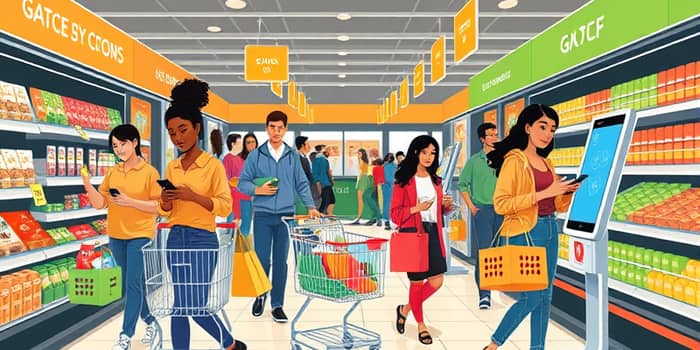
In today’s fast-paced retail landscape, millions of consumers are seeking innovative ways to stretch every dollar without sacrificing quality or convenience. From aisle deals to digital apps, the journey to mastering smart shopping is both an art and a science. This article dives deep into data-driven tactics, behavioral insights, and cutting-edge technology to help you become a savvier shopper in 2026.
Groceries remain one of the largest household expenses, and inflation has driven shoppers to adopt defensive strategies like store switching. By understanding where to find deals and how to optimize loyalty, you can significantly reduce your food budget.
Key grocery tactics include:
By switching between stores that offer competitive pricing and rotating brands, you can minimize waste and maximize nutrition.
The shift toward eCommerce and mobile shopping continues its upward trajectory. With an estimated 2.86 billion online shoppers in 2026, digital platforms are where price comparison and competitive pricing thrive.
Embrace these digital approaches:
Integrating in-app promotions with physical shopping trips ensures you never miss a timely deal.
Social platforms are more than entertainment—they’re powerful discovery engines. As 32% of consumers research products on social media, savvy shoppers can leverage influencer recommendations and targeted ads to unearth exclusive deals.
To harness social media effectively:
Physical retailers are fighting back with tech-enhanced experiences. By 2026, over 43% of U.S. mobile app users will redeem coupons and promotions in-store via their smartphones.
Consider these hybrid tactics:
Walmart’s remodeled “Stores of the Future” showcase how omnichannel integration can boost convenience and cost savings simultaneously.
Artificial intelligence is revolutionizing retail, with an expected $2 trillion global spend in 2026. Retailers deploy AI across CRM, chatbots, and predictive analytics to deliver hyper-personalized recommendations and optimized pricing.
Shop smarter with these AI-driven tools:
These technologies reduce decision fatigue and alert you to savings opportunities you might otherwise miss.
Understanding who is spending and how they shop can sharpen your strategy. Gen Z accounts for 40% of global consumer spending, demanding authenticity, social engagement, and mobile-first experiences. Meanwhile, older demographics blend convenience with loyalty, often sticking to tried-and-true private labels.
Across generations, shoppers exhibit:
To turn insights into action, try these practical steps for immediate savings:
By weaving together grocery-specific tactics, digital prowess, and AI-driven insights, you can craft a shopping routine that is both efficient and cost-effective. The future of retail offers an abundance of tools—embrace them to ensure every trip to the store, online or offline, becomes a strategic advantage.
Smart shopping is not just about cutting costs; it’s about creating a resilient, adaptive approach to spending that safeguards your budget while enriching your lifestyle. Start experimenting with these strategies today and watch your savings grow.
References