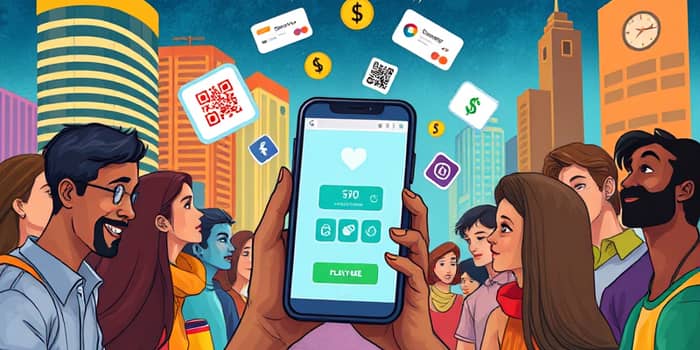
In today’s rapidly evolving financial landscape, digital wallets have become more than a convenience—they are a catalyst for change. As mobile devices put unprecedented power in our hands, we can now manage our money with a few taps, anywhere in the world. This shift is reshaping commerce, driving inclusion, and redefining how we save, spend, and send funds.
Whether you’re a seasoned tech enthusiast or a newcomer exploring your first mobile payment app, understanding the forces behind this revolution can help you harness its full potential. From global growth trends to practical tips for everyday use, this guide will inspire and empower you to master your digital wallet.
Over the past decade, the digital wallet market has witnessed explosive growth. Valued at USD 1.2 trillion in 2024, it is projected to soar past USD 3.8 trillion by 2033 at a 15.2% annual growth rate. Mobile devices, contactless terminals, and regulatory support have fueled unprecedented adoption, while innovations in artificial intelligence and QR codes have made transactions both faster and more secure.
Millions of businesses and consumers now rely on AI-powered fraud detection and security protocols that flag suspicious activity in real time. Cross-border remittances, once costly and slow, are streamlined by cross-border solutions and global reach platforms. At the same time, emerging markets are leapfrogging legacy systems, adopting QR code–based payments as their first digital experience.
Digital wallets are not just a trend in developed economies. In India, over 90% of smartphone users transact digitally, while in Southeast Asia, countries like Indonesia and Thailand report adoption rates nearing 90%. Even in regions with limited banking infrastructure, mobile wallets have become a gateway to financial services.
By 2026, an estimated 5.2 billion people—more than half the world’s population—will actively use digital payment apps. In North America, 69% of adults already use wallets monthly, and APAC leads with 74% of online spending via mobile. These figures demonstrate the power of financial inclusion when technology is accessible and user-friendly.
To make the most of digital wallets, adopt strategies that enhance security, convenience, and value. Below are practical steps to elevate your daily transactions:
Implementing these tips can transform your digital wallet from a simple payment tool into a central hub for everyday finances, offering both peace of mind and greater control.
Several forces continue to shape the digital wallet ecosystem:
Beyond these, industries such as e-commerce and the gig economy are adopting wallets at remarkable rates: over half of online retail transactions and nearly two-thirds of gig worker payouts occur digitally. This shift not only speeds payments but also opens avenues for credit, savings, and investment products embedded directly in the wallet.
Looking forward, the line between digital wallets and complete financial platforms will continue to blur. We can expect wallets to integrate:
Blockchain-based solutions may introduce new levels of transparency, while biometric and behavioral analytics will further secure transactions. As emerging regions expand their digital infrastructures, payment values could soar from USD 2.1 trillion in 2024 to over USD 8 trillion by 2029, driven largely by QR code payments and cross-border remittances.
Ultimately, the digital wallet revolution is not just about convenience—it’s about empowerment. By embracing these tools thoughtfully, individuals gain the freedom to manage their finances on their terms, businesses unlock new revenue streams, and communities benefit from greater financial inclusion.
As you embark on your digital wallet journey, remember that innovation thrives on collaboration. Provide feedback to your wallet provider, explore new features, and stay informed about security best practices. In doing so, you become an active participant in shaping the future of money, ensuring it remains accessible, secure, and inclusive for all.
References