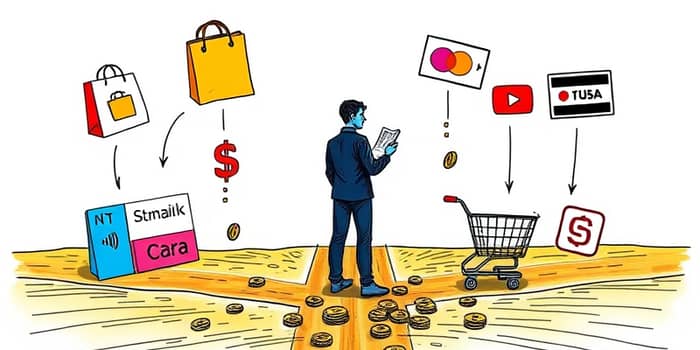
In an era where speed and ease guide our choices, American households face hidden fees in everyday services that quietly accumulate. From banking penalties to digital subscriptions, these small charges can sweep away an average of $3,200 annually without notice. By understanding the landscape and adopting targeted strategies, you can reclaim control over your finances and reduce unnecessary outflows.
Every convenience product or service often carries overlooked convenience charges. While the price tags may appear reasonable at first glance, add-ons and fine print can inflate costs well beyond expectations. This article explores the major areas of hidden spending and offers practical tips to keep more money in your pocket.
Dining out and ordering in promises comfort and time savings, but it also carries service and kitchen fees that typically range from 5% to 20% of your bill, excluding tips. Credit card surcharges of around 2.75% further erode value, while delivery platforms add packaging and handling surcharges that rarely figure in menu prices.
Experiments with dynamic pricing on grocery delivery platforms show AI can raise item costs by approximately 7%. For example, a jar of Skippy peanut butter might vary between $2.99 and $3.69 depending on demand and order size. Over a year, a family of four can incur an extra $1,200 for seemingly simple convenience.
The subscription model offers unlimited access in exchange for a monthly fee, but the average user juggles ten services and spends about $647 per month. More than half of us forget to cancel free trials, and almost half continue paying for services that go unused. This phenomenon, often called subscription creep via auto-renewals, leverages psychological hooks like commitment bias and status quo bias to lock customers in indefinitely.
Renowned behavioral economists note that mental accounting according to Kahneman leads us to underestimate how these small, recurring charges affect our budgets. Over time, they morph into a financial burden far greater than the perceived convenience.
Free checking accounts rarely exist; most come with strings. Monthly maintenance fees, out-of-network ATM charges of $2.50 to $5, and overdraft penalties of $30 to $35 can transform routine banking into a costly affair. Even peer-to-peer apps like Venmo and Cash App impose instant transfer fees of up to 2.5%.
Adding insult to injury, many utility companies apply online payment convenience fees, and some coffee shops automatically tack on auto-gratuities. As Ed Mierzwinski of U.S. PIRG warns, “you should have immediate access to your money without penalty.” Understanding fee schedules and selecting fee-free networks can save dozens of dollars each month.
Basic cable and internet packages advertised at $69.99 can balloon past $100 once broadcast TV, sports packages, equipment rentals, and regional fees slide into your bill. Ambiguous free trial periods and automatic renewals hide in the fine print, making it all too easy to overlook surcharges.
Cable providers know that most customers will not pore over detailed statements. A proactive review of service agreements and regular negotiations can help maintain advertised rates and avoid unwelcome surprises.
Travelers often accept extras like seat selection, early boarding passes, and gate agent fees as part of modern flying. Low-cost carriers may charge up to $35 just to check in at the airport counter. Hotel destination fees of $20 to $50 per night cover amenities you might not even use.
Renting a car without bringing your own toll transponder can lead to daily charges for in-house toll devices, plus penalties if you opt out. By reading the fine print and planning ahead, it’s possible to avoid these miscellaneous fees and keep travel expenses closer to initial quotes.
AI-driven price variations on grocery delivery platforms demonstrate the industry’s shift toward dynamic pricing. FTC monitoring reveals consistent 7% price hikes on everyday staples when ordered through convenience services. Meanwhile, physical retailers suffer revenue losses of thousands per store annually due to empty shelves and slow checkouts, pushing more customers online.
Understanding these shifts helps consumers decide when the ease of home delivery outweighs the financial advantage of in-store shopping. Regular price comparisons and loyalty program perks can offset AI-driven markups.
Looking ahead, reliability and value will often trump pure convenience. In 2025, consumers show growing patience for in-person experiences, and price remains the top priority when convenience fees feel too steep. As physical retail traffic dips, the emphasis shifts from immediate satisfaction to mindful spending.
Small habits can yield significant returns. By systematically questioning each fee and seeking alternatives, you can whittle down hidden costs and improve your overall financial health.
Below is a concise summary of targeted tactics and potential savings for each major category. Implementing these steps can help you recover up to $3,200 each year.
By cultivating awareness of hidden convenience charges, you stand to regain significant funds each year. Start with the categories where you spend the most, then expand your review to every aspect of daily life. Small changes compound over time, transforming minor savings into substantial budget relief. Empower yourself with knowledge, ask questions, and never accept a surprise fee without challenge.
References