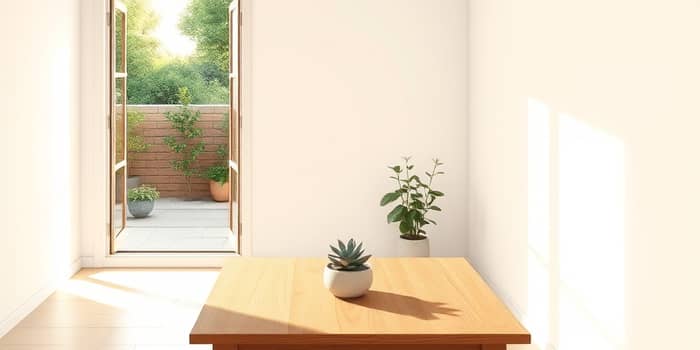
In a world of constant accumulation, minimalism shines as a guiding light—revealing how purposeful reduction can create abundant living. This movement transcends art and design, inviting us to examine our possessions, habits, and priorities.
By embracing simplicity, we cultivate clear mental space and foster a lifestyle rich in intention. Readers will learn both the origins of minimalism and practical steps to transform their own lives.
Minimalism began as a radical art movement in the 1960s New York scene, led by visionaries like Donald Judd and Sol LeWitt. They rejected excess in favor of geometric purity and industrial materials. This less is more ethos challenged viewers to engage directly with form and space.
Over decades, these principles migrated beyond galleries and studios into architecture, design, and ultimately personal lifestyles. Today, the same values inspire people globally to pare down possessions and focus on what truly matters.
At its heart, minimalism emphasizes intentionality. It’s not about deprivation but choosing what adds value and letting go of the rest.
These tenets create a framework for both physical spaces and mental habits, encouraging a shift from mindless accumulation to deliberate living.
Adopting minimalist principles yields profound rewards that ripple through every aspect of life:
The true wealth of minimalism lies in its power to align daily actions with personal values, fostering a deep sense of freedom and self-awareness.
Starting a minimalist journey can feel daunting, but small, consistent actions build momentum.
Over time, these habits coalesce into streamlined daily routines and a more meaningful relationship with your environment.
Tracking progress reinforces motivation. Consider keeping a simple log or chart to monitor key metrics:
Observing tangible improvements—such as reduced expenses or more leisure time—reinforces the value of your efforts.
Resistance often arises from sentimental attachments or fear of missing out. To navigate these emotions:
1. Reflect on your motivations: Remind yourself why simplicity matters to you.
2. Set realistic goals: Tackle one area at a time—clothing, kitchen, digital files—and celebrate each victory.
3. Seek community support: Share experiences with friends or online groups to stay inspired.
Minimalism ultimately resides in the mind. Practices such as meditation, journaling, and intentional pauses reinforce the habit of questioning excess.
By learning to value presence over possession, you awaken to the richness of everyday moments—laying the foundation for lasting contentment and resilience.
Minimalism offers a pathway to abundant living that transcends material gain. It is a holistic philosophy that honors both our environment and inner world.
As you apply these principles, remember that minimalism is not a final destination but an evolving journey—one filled with continuous discovery, intentional growth, and profound freedom.
References